Commercial Maintenance Contracts
For Facility Managers
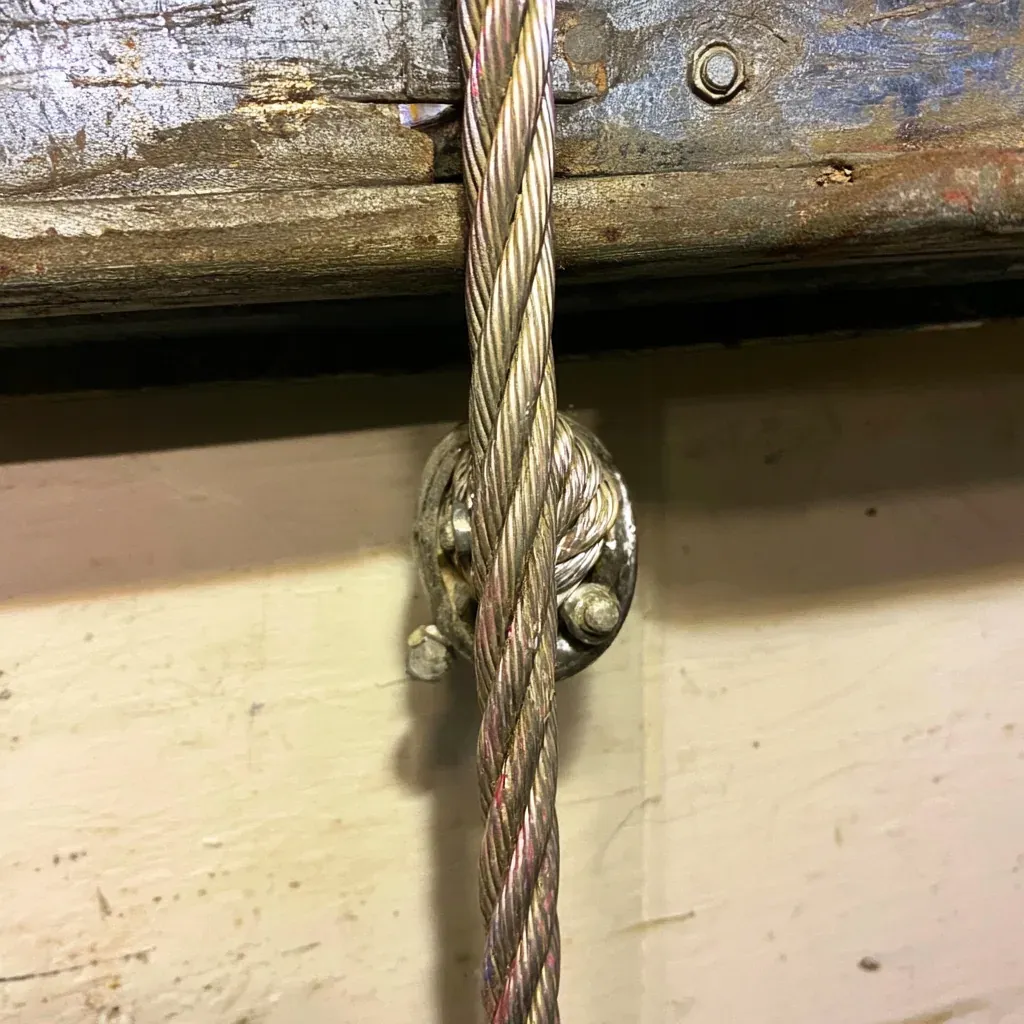
Bumpers, seals, and dock levellers sized to the forklift and trailer traffic an Oceanside dock actually runs.
A loading bay door is judged on cycles, not looks. Bumpers absorb impact, a dock leveller bridges the trailer gap, and a dock seal or shelter keeps weather and forklift damage off the threshold.
A loading bay off Rancho Del Oro Drive or a warehouse dock near College Boulevard doesn't run on a homeowner's clock. A forklift backs a pallet toward the opening a dozen times a shift, a trailer seats against the bumpers, and the door cycles on somebody else's delivery window, not a resident's mood. Oceanside carries enough distribution and light-industrial ground that this equipment matters here, not just downtown.
A building manager along Oceanside Boulevard or near the Oceanside Municipal Airport answers to a lease and a shipping schedule, not to whoever happens to be on site. A dock door that binds mid-cycle stalls a truck in the queue, and that queue backs up against every appointment behind it. The cost of a stuck door here is measured in freight, not inconvenience.
That gap in stakes changes what gets watched. A garage door in a Fire Mountain or South Oceanside driveway gets attention once it starts to grind. A dock door serving a building near Vandegrift Boulevard gets tracked: cycle counts, bumper condition, seal wear, leveler hinge play, logged rather than noticed by accident.
Duty cycle is the number a facilities manager in Oceanside should have on hand before anything else. It states how many open-close cycles the torsion spring and hardware are rated for, and a dock door pushed through dozens of cycles a day burns through that rating far faster than a house door ever would. Salt air off the Pacific speeds the wear on top of that.
Dock bumpers absorb the first hit almost every time. A trailer backing toward a bay rarely lines up square on the first pass, and the bumper is there to take that contact instead of the frame or the door track. Once a bumper crushes past its rated give, the next miss lands on the header or the leveler lip instead, and that damage costs more to fix.
| Component | Damage Pattern | Fix |
|---|---|---|
| Seal torn at the header | Trailer backed in off-center | Seal foam and header pad swap |
| Leveler lip won't extend | Hydraulic cylinder losing pressure | Cylinder seal and fluid service |
| Door won't seat on the floor | Bottom bracket bent from a strike | Bracket straightening or replacement |
| Curtain shelter torn at the sides | Trailer clipping the frame on approach | Curtain panel and frame repair |
| Photo-eye stops the door mid-travel | Dust or lens fogging from freight traffic | Sensor cleaning and alignment |
| Panel edge peeling from the frame | Salt-laden air corroding fasteners | Fastener replacement in galvanized hardware |
| Leveler deck rattles under a loaded pallet jack | Deck hinge worn from cycle count | Deck hinge and pivot replacement |
| Door reverses before reaching the floor | Bottom limit switch knocked out of position | Limit switch reset and adjustment |
Opening width changes the math on all of it. A wider bay door carries more panel weight per section, which puts more strain on the spring and the track hardware supporting it. A dock leveler carries the load path from the trailer bed to the warehouse floor, and every pallet jack pass and forklift trip runs weight through its hinge and lip.
A dock seal or shelter around the opening keeps weather and dust out of the bay, and near Oceanside that means the marine layer and salt-laden coastal air working into hardware faster than it would a few miles inland near Vista or San Marcos. A torn seal lets that air straight into the leveler's hinge and the door's bottom rollers.
None of these parts wear on a separate schedule from each other. A torn shelter lets in grit that works into the leveler's hinge, which changes how the door seats against the bumpers, which changes how the seal wears. A scheduled inspection catches that chain before it becomes one large failure instead of several small ones.
An impact door is built to take a hit that would flatten a standard panel: a curtain, rigid or made of overlapping slats, that flexes on contact from a forklift and resets to shape instead of bending. That's a different design goal than a house door near Ivey Ranch or Rancho Del Oro, which is built to seal and insulate, not absorb repeated strikes.
Forklift damage does not always show up on the curtain or panel itself. A strike hard enough can rack the frame or bend a mounting bracket while leaving the visible surface looking fine, and a door that still closes can still be running on a bent track. A building near El Corazon or the harbor district loses that damage to a walkthrough that only checks whether the door shuts.
What a scheduled inspection actually looks at is documentation as much as the door itself. A facilities manager overseeing a building near the Oceanside Transit Center or along Mission Avenue benefits from a written record: cycle counts, bumper and seal condition, leveler service dates, so a lease inspection or insurance question has an answer already on file rather than a guess made on the spot.
Before a crew starts on a bay door or dock leveler at an Oceanside building, the license is worth confirming directly. California requires a Contractors State License Board license for this trade, classification C-61/D-28, Doors, Gates and Activating Devices, and that requirement holds regardless of the building's size or how many doors it has.
One bay door on a small Oceanside property is easy to track by memory. A building with several dock doors along a stretch near College Boulevard is a different job, and the record has to name which door, which bumper, which leveler, and when each was last checked, or the tracking stops meaning anything.
A scheduled inspection is what catches wear while it's still minor: a bumper crushed past its rated give, a seal torn along the shelter edge, a leveler hinge starting to bind, rollers worn enough to notice under load. Waiting for one of these to fail outright during a delivery window costs a lot more than the inspection would have.
Before a crew starts on an Oceanside dock, get the invoice scope in writing: which bumper, seal, or dock leveller part gets swapped, the spring cycle rating going in, and whether the shelter fabric is replaced or patched. A vague line item like "door serviced" tells a facilities manager nothing once forklift damage shows up again three weeks later near Rancho Del Oro Drive.
Most garage doors sit at grade level, right where a home's slab foundation meets the driveway. Any shift in that slab, even a small one, changes how square the frame is and how the door tracks against it. It's a quiet kind of wear, felt as friction before it's ever seen.Ocean Hills, Rancho Del Oro and Carlsbad. Heavy winter rain arrives here in a short window rather than spread evenly across the year, so a door's weatherstripping and drainage path at its base matter more right before that window than during the dry months that follow it.
Garage doors here rarely fail from one obvious cause. Hardware wears on cycle count, hinges loosen from repeated motion, and hidden corrosion sets in long before a panel or spring finally gives out, so the door that quit this morning was likely failing for months before anyone noticed.Figures assume one attached two-car garage door on a slab foundation, typical of Rancho Del Oro or Ivey Ranch tract homes. Detached garages, raised-floor construction near Fire Mountain, or a second door for a boat or RV pad usually cost more and need a separate look. Full guide bands are on the pricing guide, and the commercial overview covers how a scheduled program works.
For Facility Managers
Oceanside Roll-Up Doors
Oceanside Commercial
Ask to see general liability coverage, and workers' compensation if the company has employees, before anyone works near a raised loading door on your Oceanside property. Ask for a written scope naming the bumper, seal, or dock leveller part being replaced, not just "door repaired," so the invoice matches what actually happened at the bay.
It depends on trailer and forklift volume, not the calendar. A dock off Oceanside Boulevard running steady freight wears the leveller hinge and lip faster than a bay used a few times a day. Check the leveller plate, seal condition, and bumper thickness on a schedule tied to actual dock traffic.
Salt air off the Pacific works into spring coils, hinge pins, and bumper mounting bolts faster near the coast than it does a few miles inland toward San Marcos or Escondido. A dock running near Coast Highway needs seal and hardware checks more often than one set back off El Camino Real.
An impact door and a reinforced bottom section take routine forklift damage without racking the track or binding the panel. A standard sectional dents on contact, and a dent that misaligns the track will keep grinding until the section or the roller path gets replaced.
A dock leveller that drags or a bumper flattened by forklift damage is downtime your Oceanside bay cannot absorb. Call the licensed pros we connect you with.
Call (760) 273-7064